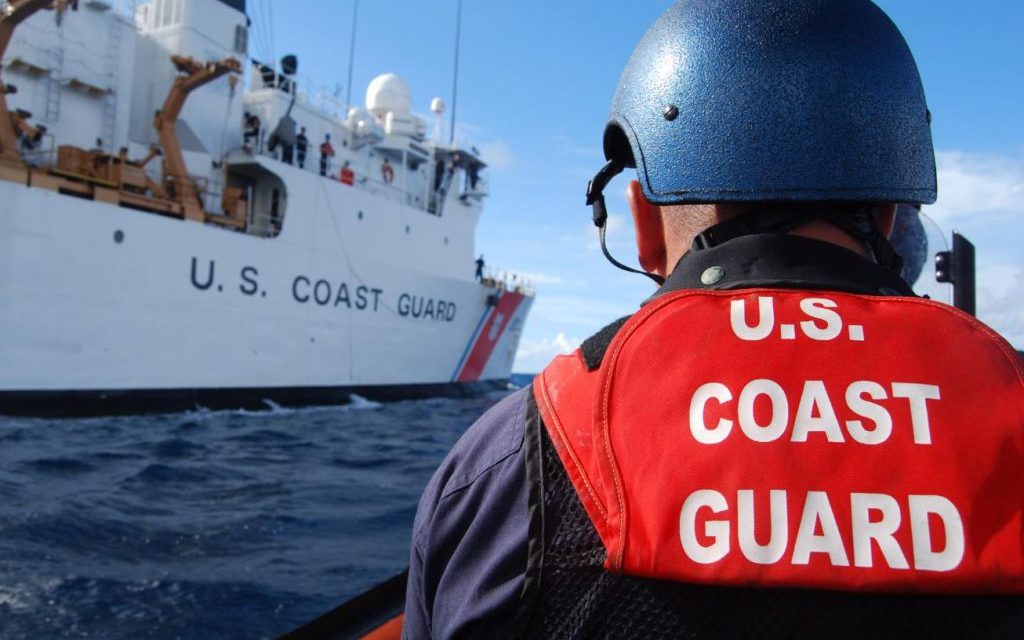
The United States Coast Guard’s Office of Commercial Vessel Compliance has released its 2019 annual report over US port state controls. The aim of the report is to “provide the global maritime industry key statistics and compliance trends in relation to compliance with U.S. and international regulations, such as the Safety of Life at Sea (SOLAS), International Convention for the Prevention of Pollution from Ships (MARPOL), and the International Ship and Port Facility Security Code (ISPS).”
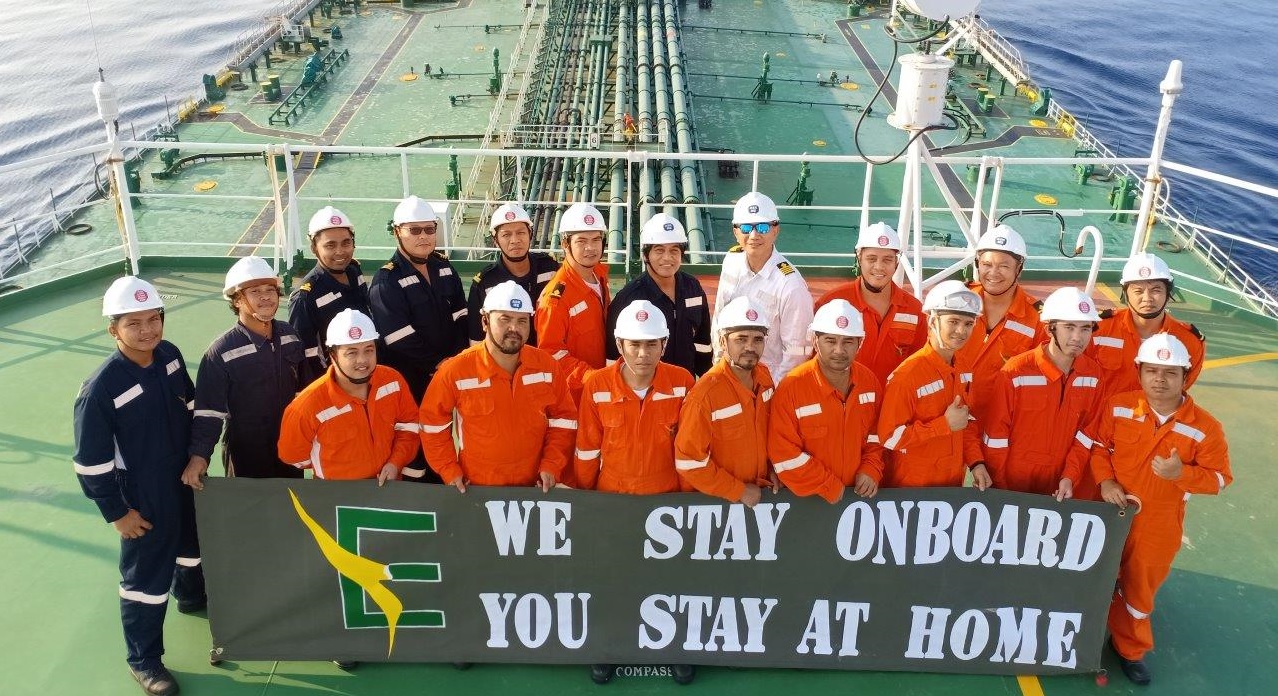
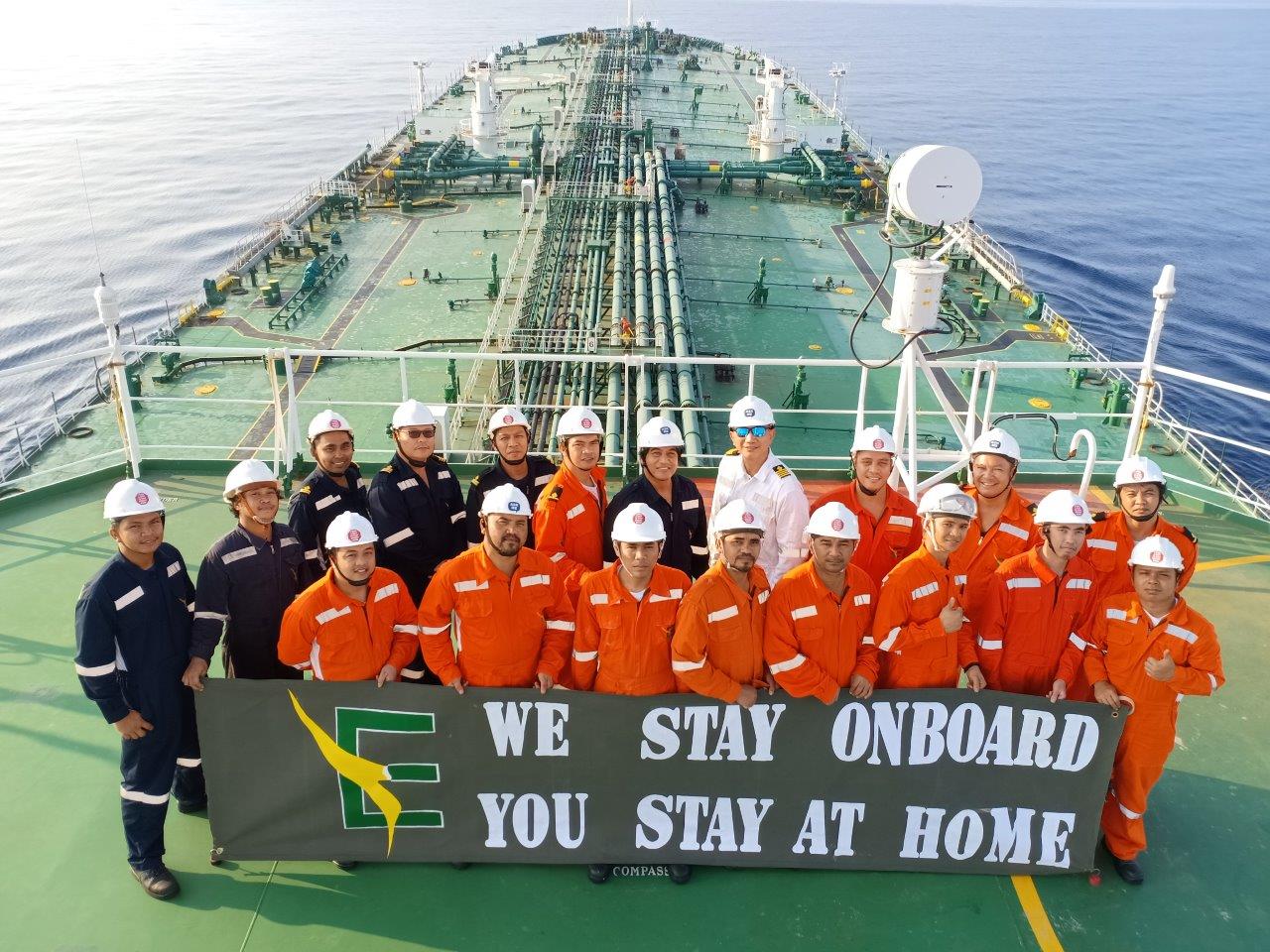
We wish to express our sincere gratitude to Suez Fuzeyya crew members for this lovely message passed to all of us ashore but most importantly to all our seafarers families on how to deal with COVID-19 spreading all around the Word.

Source: Capt Edwin Acupinpin / Capt. Suez Fuzeyya - Fleet Training & Familiarisation Officer / Principle Representative
Whilst the impacts of coronavirus are mostly negative across the board, there’s been one positive side effect, increasingly taking hold.
As a result of reduced travel and increasing business closure, pollution levels are dropping all over the world, and the environment is thriving.
As humans everywhere are forced to self-isolate due to the coronavirus pandemic, lowering pollution levels have led to the unexpected prevailing of nature.
Chances are that you have never boarded a lifeboat to date, except you are a seafarer who has performed lifeboat drills or someone who has found himself in the very unwelcome experience of a sinking ship.
Lifeboats save lives. Titanic had a limited number of lifeboats onboard because its construction was considered a technological miracle of safety and luxury. And this is why 1,500 out of the 2,200 people onboard perished in what is considered as the world’s most famous maritime disaster.