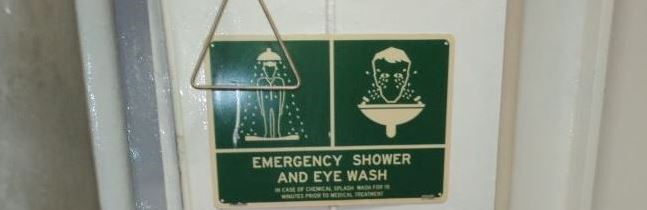
On the aftermath of an eye injury involving chemicals onboard, the Maritime NZ issued a reminder to operators of their duties to identify ‘reasonably foreseeable risks’, and to control these risks 'as far as practicable’, in line with the Health and Safety at Work Act.
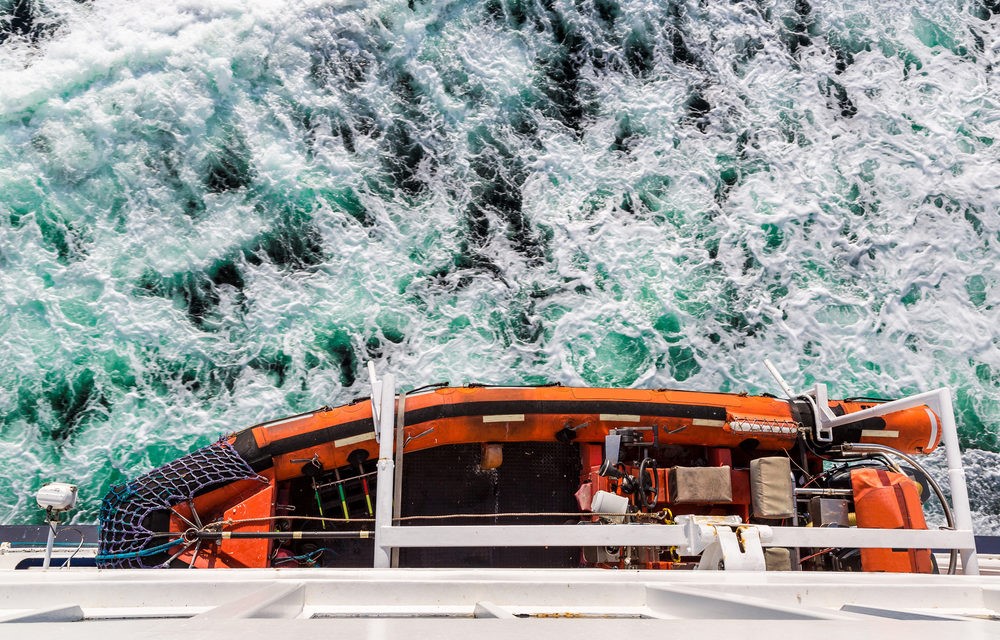
In the unlikely event of a life-threatening situation onboard, it may be time for vessel abandonment, ordered by the Master. Abandoning the ship needs to take place at the right time, followed by specific steps and procedures, as the decision to leave the vessel and fall into the sea comes with great risk.
The abandonment of a vessel follows after the crew and the people responsible have done everything they could to prevent the danger and ensure the safety of everyone onboard. The Master is the one to give the order to abandon the vessel, after all safety attempts have been attempted.

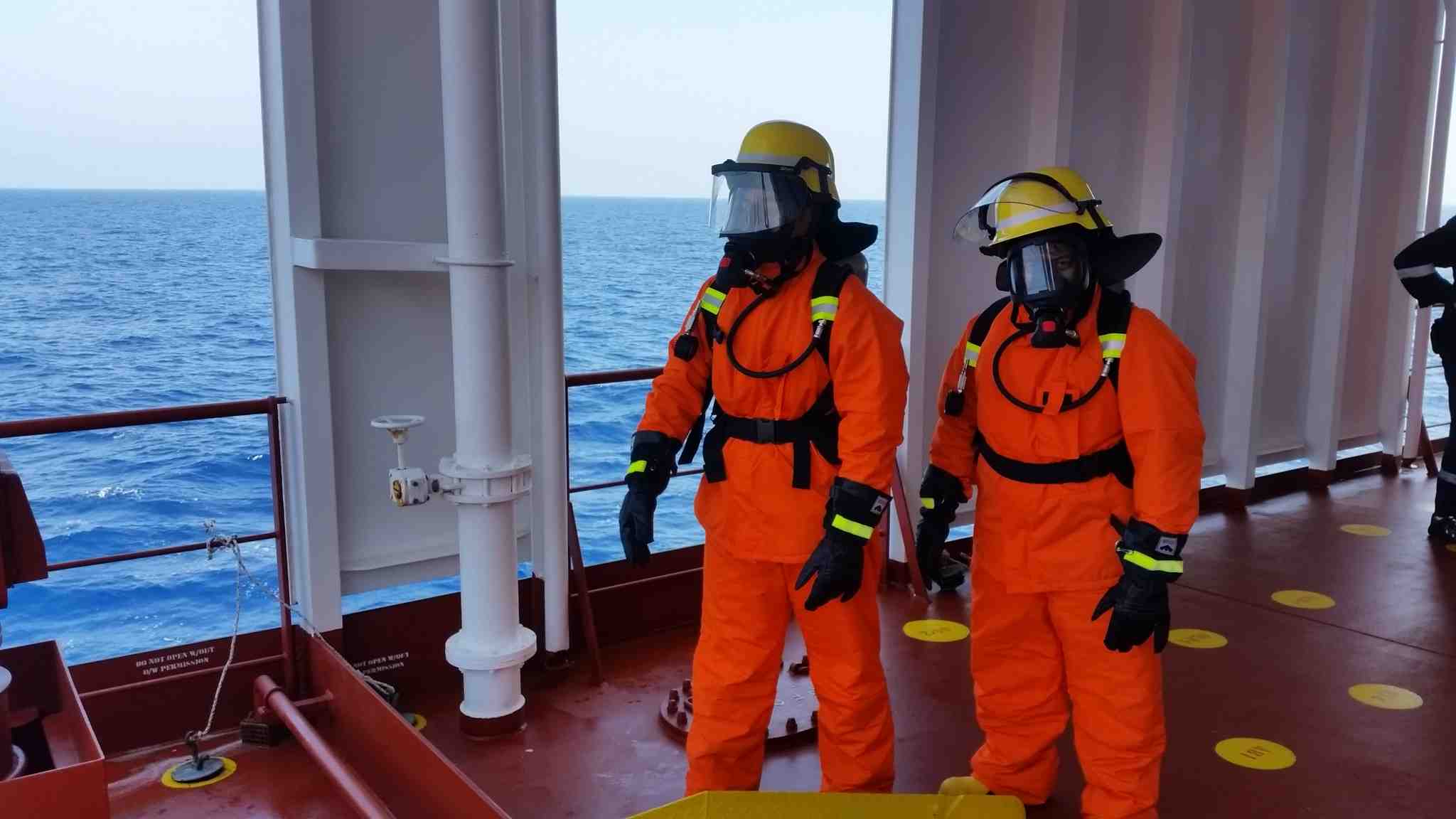
Seafarers face one of the highest risks of workplace injury or death and Personal Protective Equipment (PPE) is considered as a first line of defense to keep maritime workers safe while on duty. However, not only seafarers need to start their day by wearing proper PPE but also shipping organizations need to develop a workplace culture that promote the use of PPE at all times.
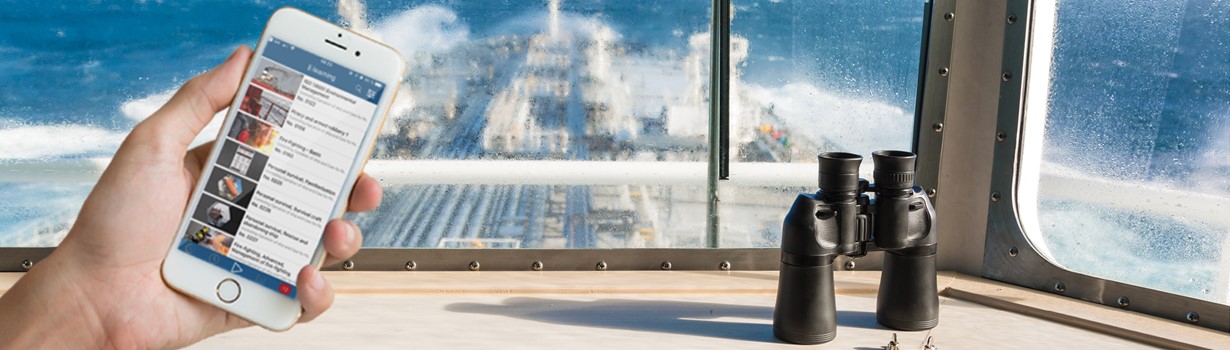
The Seagull Training App allows users of the Seagull Training Administrator (STA) to access their training requirements and competence status. Users can retrieve important fleet information prior to their next onboard assignment, providing the company is using the feature. The App can also be used across a wide-range of mobile devices and tablets, both Android and iOS, with dynamic screen layouts for all sizes.
We are pleased to inform you that access to Seagull’s smartphone app has now been activated for our seafarers.